ai news may 2026 is revealing a quieter but more decisive phase of industry maturation. Over the past 24 hours, the focus has shifted from raw capability announcements to the operational scaffolding required for safe, large-scale deployment. Latest AI updates May 2026 highlight how controlled capability diffusion, legal de-risking, and event-driven synchronization are becoming the real levers of competitive advantage.
In the AI ecosystem right now, builders and enterprises are discovering that the bottleneck is no longer model intelligence—it is the infrastructure, policy, and coordination layers that allow frontier systems to move from labs into regulated production environments without creating asymmetric risks. AI industry news 2026 is no longer dominated by benchmark headlines; it is defined by who can operationalize intelligence responsibly at enterprise scale.
This evolution is forcing a fundamental rethink of workflows. Developers can no longer treat model access as a simple API call; they must now architect around tiered governance, shared threat intelligence, and synchronized platform roadmaps. For businesses, this means AI adoption is moving from experimental pilots to governed, auditable production systems.
Major Updates
Anthropic Expands Controlled Sharing of Mythos-Derived Cybersecurity Insights
Anthropic updated its policy on May 18, 2026, to permit broader dissemination of findings and tooling derived from its restricted Claude Mythos Preview model to global regulators and vetted third parties, including the Financial Stability Board.
What problem does this solve? Frontier models like Mythos can surface thousands of high-severity zero-days across operating systems, browsers, and infrastructure components far faster than traditional red teams. Public release would hand attackers the same advantage; controlled sharing flips the timeline so defenders patch first.
Who is impacted? Cybersecurity operations at financial institutions, critical infrastructure operators, cloud providers, and government agencies—plus any developer or business whose supply chain depends on hardened foundational software.
What changes in real usage? Security teams gain faster access to AI-generated vulnerability intelligence through approved channels, compressing patch cycles from weeks to days. CI/CD pipelines can now integrate Mythos-derived automated remediation scripts, shifting from manual triage to orchestrated, model-assisted hardening.
Hidden implication: This move institutionalizes a new “defenders-first” tiered-access layer for super-capable systems. It sets a precedent that high-risk capabilities—whether in cyber, bio, or agentic planning—will be diffused through governed partnerships rather than open release, reshaping the entire open-source vs closed-source debate.
Performance implication: By reducing redundant inference runs across organizations, the policy lowers the overall industry GPU-hour footprint for vulnerability discovery while concentrating high-end compute among trusted partners who can act on the intelligence immediately.
What might break or fail? Coordination delays between private labs and regulators could blunt real-world velocity. Imperfect capability reduction techniques might still allow leakage of exploitable patterns to sophisticated adversaries.
Actionable insight for builders: Immediately evaluate approved partner channels for Mythos-derived scanning tools and bake them into your secure software development lifecycle. Prioritize hardening the exact components these models are most likely to probe first—your supply chain risk profile just became measurable in hours rather than months.
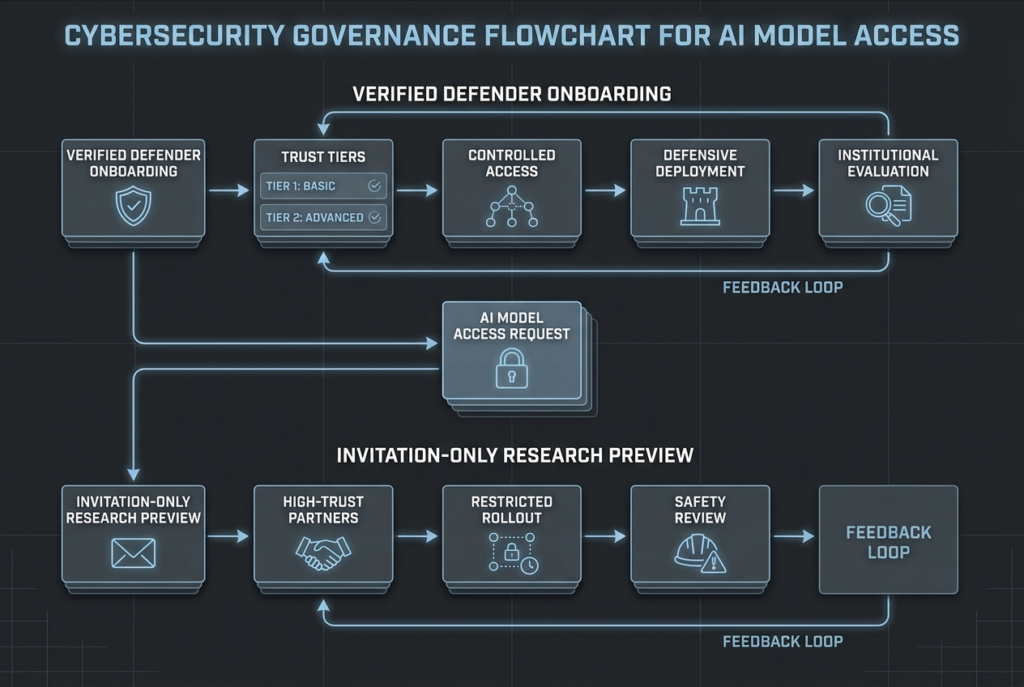
GPT-5.4 Cyber vs Claude Mythos, Which Model Fits Cybersecurity Work
OpenAI Receives Legal Clearance as Musk Lawsuit Dismissed on Statute Grounds
A California jury dismissed Elon Musk’s lawsuit against OpenAI and Sam Altman, removing a significant legal overhang tied to the company’s for-profit transition and governance structure.
What problem does this solve? Prolonged litigation created investor hesitation, talent uncertainty, and partnership friction around OpenAI’s scaling plans and potential IPO path.
Who is impacted? OpenAI’s engineering and leadership teams, Microsoft as primary partner, enterprise customers evaluating long-term platform commitments, and the broader developer ecosystem watching for stable frontier access.
What changes in real usage? OpenAI leadership can now focus engineering cycles on deployment infrastructure and agentic tooling rather than courtroom preparation. Expect accelerated rollout of enterprise-grade features and clearer multi-year platform roadmaps for developers integrating into production workflows.
Ecosystem implication: The ruling validates hybrid non-profit/for-profit structures as durable in the AI era. It signals to the market that early mission statements do not permanently constrain commercial evolution, potentially encouraging bolder capital deployment across the sector.
Developer implication: API evolution and feature velocity become more predictable. Builders can commit to multi-quarter integration plans with reduced governance-related disruption risk.
What might break or fail? Potential appeals could reintroduce uncertainty, and increased market concentration may raise antitrust scrutiny down the line.
Actionable insight: Treat OpenAI’s platform trajectory as materially de-risked for 12–24 month planning horizons. Run parallel integration tests with open-weight alternatives to maintain optionality, but accelerate production pilots on their agentic and deployment stacks.
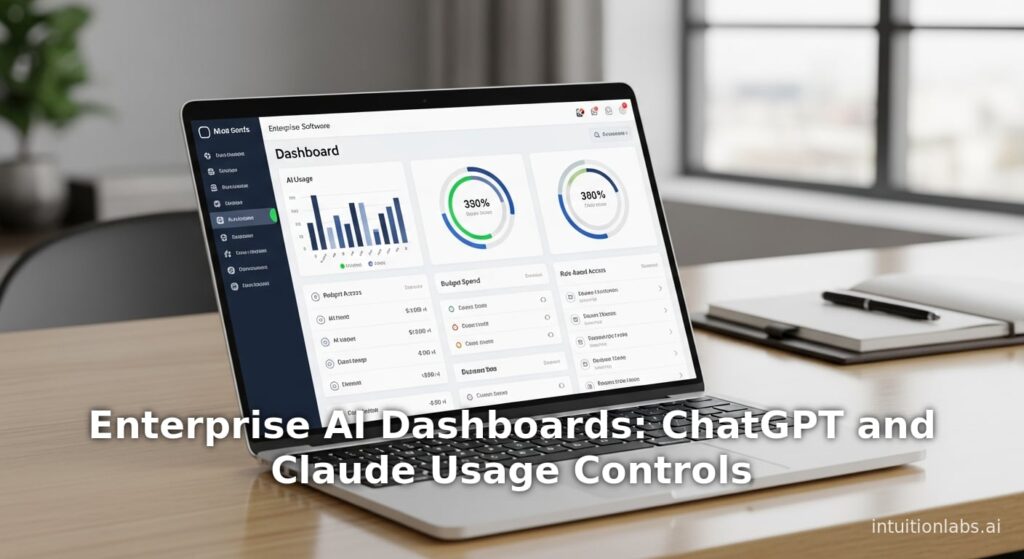
Enterprise AI Dashboards: ChatGPT and Claude Usage Controls | IntuitionLabs
Google I/O 2026 Pre-Positioning Signals Agentic and On-Device Synchronization Wave
With Google I/O opening on May 19, 2026, the industry is aligning around anticipated Gemini agentic enhancements and Android XR multimodal capabilities. No new model drops occurred in the exact 24-hour window, yet the pre-event positioning itself functions as a powerful forcing function.
What problem does this solve? Fragmented developer mindshare and mismatched roadmaps across mobile, cloud, and edge environments slow real-world multimodal adoption.
Who is impacted? Mobile developers, XR creators, enterprise teams building on-device AI workflows, and any business whose customer touchpoints involve Android ecosystems.
What changes in real usage? Expect tighter synchronization between cloud Gemini agents and on-device execution, enabling persistent, low-latency multimodal workflows that survive offline periods or network constraints.
Infrastructure implication: On-device model optimizations will reduce cloud inference costs while increasing requirements for specialized edge silicon—shifting spend from centralized GPU clusters toward distributed, power-efficient hardware.
What might break or fail? Over-optimistic on-device performance claims could disappoint if real-world battery or thermal constraints surface post-launch.
Actionable insight: Begin auditing your mobile and edge application architectures for agentic handoff patterns now. Prototype Gemini XR integrations ahead of keynote details to compress your post-event adoption curve.
Google I/O 2026 Live Blog updates: Android 17, Android XR glasses, Gemini AI news | Android Central
What This Means for Builders, Creators, Developers, and Businesses
The latest AI updates May 2026 are not about who shipped the biggest model—they are about who built the sturdiest rails for safe, scalable intelligence.
Adopt immediately: Mythos-informed vulnerability tooling through approved channels and governed deployment platforms with clear legal and policy guardrails. Start testing agentic mobile/edge handoffs that will ship in the next 30–60 days.
Ignore or deprioritize: Pure benchmark hype without accompanying governance or deployment context. Generic productivity wrappers that do not compress measurable workflow steps.
Monitor closely: Post-I/O Gemini agentic and XR integration depth, follow-on regulatory briefings from Anthropic-style initiatives, and any OpenAI hardware or deployment announcements that follow legal clarity.
Emerging opportunities: Security-as-a-service layers built on restricted high-capability models, tools that bridge controlled AI intelligence with regulated verticals (finance, healthcare, infrastructure), and orchestration platforms that abstract away tiered-access complexity.
ai industry news may 2026 shows the field moving from capability races to operational maturity. Winners will be those who treat governance, legal clarity, and ecosystem synchronization as core product features rather than compliance checkboxes.
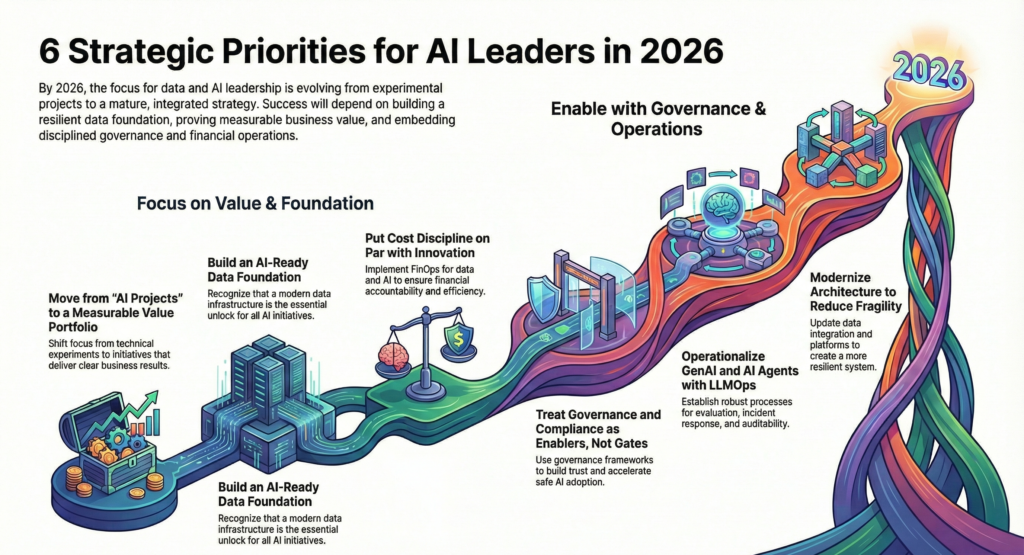
The Top Strategic Priorities Guiding Data and AI Leaders in 2026
Sources
- Anthropic official policy update channels and related coverage (May 18, 2026)
- Court filings and reporting on OpenAI vs Musk dismissal
- Google I/O 2026 official schedule and developer previews
- Industry analysis from primary ecosystem trackers
Disclaimer
The images used in this article are sourced from publicly available channels on the internet. They are used solely for the purposes of news commentary, visual illustration, and explanatory reference, and do not constitute commercial use. The author of this article does not own the copyright to these images and makes no claim to any rights over them. If any copyright issues arise regarding these images, please contact the article’s author, and we will promptly address the matter or remove the relevant content.