Introduction
The AI ecosystem in mid-2026 operates less on flashy model drops and more on foundational plumbing—compute specialization, workflow automation, and organizational pivots to sustain scaling laws. Over the past 24 hours, signals point to continued fragmentation in hardware supply, with Google advancing TPU inference ambitions, alongside Meta’s aggressive AI-driven workforce reshaping and quieter developer tooling expansions like Google AI Studio mobile access.
This period underscores a maturing industry: inference efficiency and persistent agents matter more than raw parameter counts for real deployment. Builders face pressure to optimize for specialized hardware and long-running autonomous systems rather than chasing leaderboard hype. Competitive dynamics intensify as cloud providers and model labs lock in multi-year compute deals, reducing single-vendor risks but raising barriers for smaller players.
Workflow evolution accelerates toward agentic systems that act across tools with less human oversight, shifting developer focus from prompt engineering to orchestration and evaluation frameworks. Adoption moves deeper into enterprise backends, where cost-per-token and reliability dictate winners over frontier benchmarks.
AI news May 2026 shows the real action is now in infrastructure and agent reliability — the latest ai updates May 2026 confirm that builders who master these layers will pull ahead.
Major Updates
Google’s Push into Specialized Inference Hardware and Mobile Developer Tools
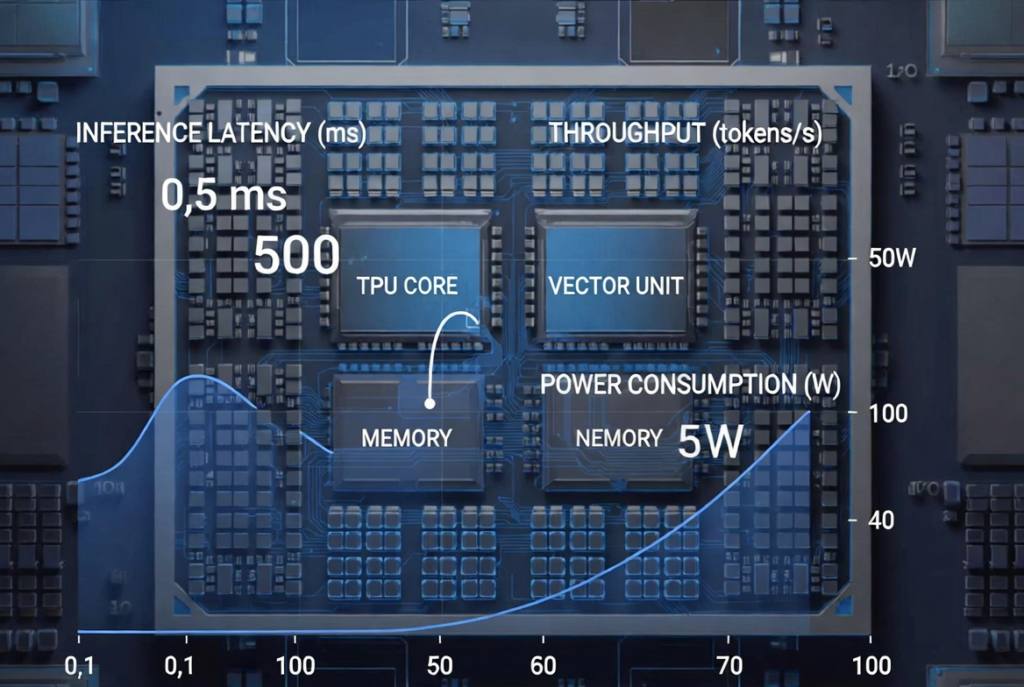
Google continues separating training and inference workloads with its TPU lineup, highlighting inference-focused designs to challenge NVIDIA dominance in serving agentic and multimodal models. Recent developer announcements, including AI Studio mobile prototypes, extend prototyping to on-the-go builders.
What problem does this solve? General-purpose GPUs remain inefficient and expensive for high-volume inference; fragmented developer environments slow iteration from idea to production agent.
Who is impacted? Cloud customers, especially those running agent fleets or mobile/edge AI; independent developers gaining mobile access.
What changes in real usage? Inference clusters become cheaper and more scalable per token, enabling always-on agents. Mobile AI Studio lets builders prototype Gemini-powered apps without desktop tethering, shortening feedback loops.
What is the hidden implication? This accelerates a hardware bifurcation—training on massive clusters versus optimized inference silicon—potentially commoditizing certain LLM serving while Google captures more of the inference margin. It also signals deeper vertical integration, tying search/agent experiences directly to custom silicon advantages.
What might break or fail? Legacy GPU-optimized codebases require refactoring; over-reliance on Google Cloud could create lock-in if TPU software ecosystem lags in portability.
Actionable insight: Developers should benchmark workloads on TPUs now for inference-heavy agents. Prioritize frameworks with strong multi-hardware support to hedge.
Performance implication: Up to 80% better perf-per-dollar on inference tasks versus prior gens, directly lowering costs for production agents.
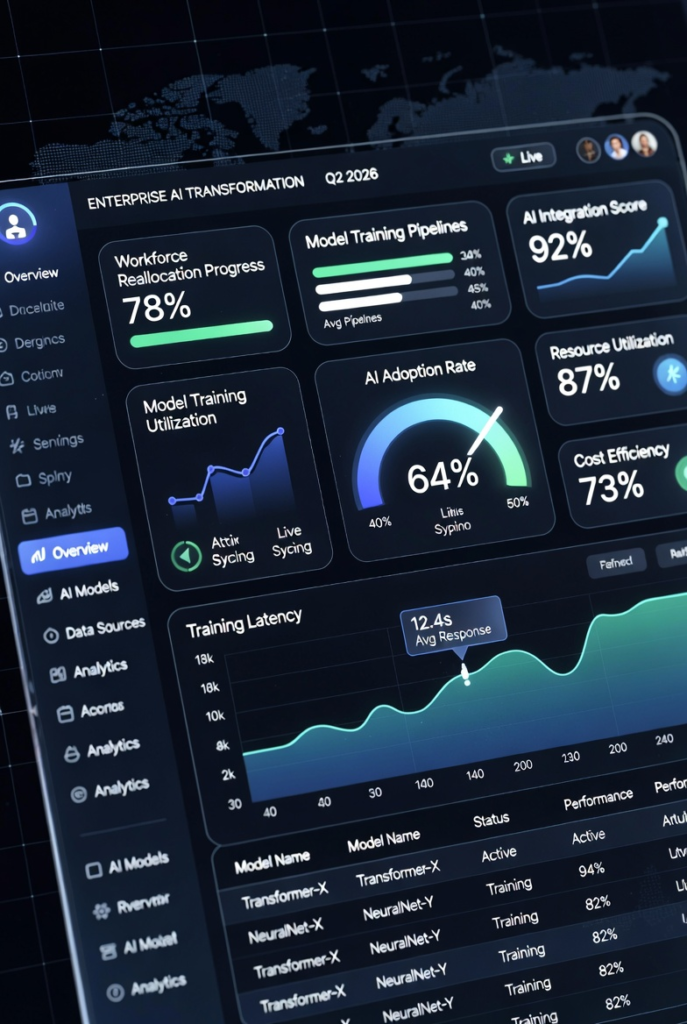
Meta’s AI-First Restructuring and Workforce Reallocation
Meta executed significant layoffs (around 8,000 roles) as part of its transformation into an AI-centric company, with thousands more reassigned to AI initiatives. This aligns with broader infrastructure bets, including expanded compute partnerships.
What problem does this solve? Traditional social/media engineering talent mismatches the demands of training, fine-tuning, and deploying frontier-scale AI systems at Meta’s ambition level.
Who is impacted? Meta employees and partners; indirectly, the broader talent market as AI skills command premiums.
What changes in real usage? Internal teams shift toward building advanced models and agentic features for platforms like Instagram, accelerating consumer-facing autonomous tools.
Hidden implication: This signals hyperscalers treating AI not as an add-on but as the core operating layer, forcing cultural and org-chart overhauls. It may intensify open-source contributions from Meta as they seek community leverage to offset internal costs.
What might break or fail? Short-term productivity dips from knowledge loss; morale/cultural challenges in “AI or else” environments.
Actionable insight: Businesses should audit internal talent for AI adjacency and invest in upskilling or targeted hiring. Monitor Meta’s open releases for enterprise automation templates.
Enterprise implication: AI adoption now requires ruthless resource reallocation—human and capital—toward high-ROI agentic workflows.
Persistent Agent and Tooling Ecosystem Signals
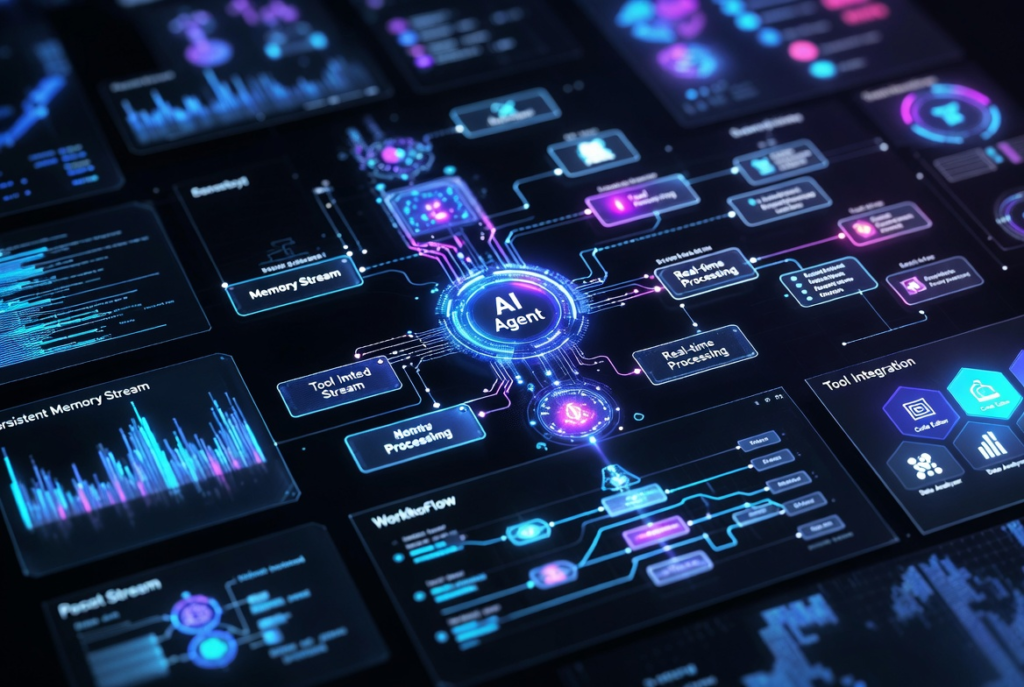
Ongoing integrations and Google’s search/agent overhauls point to maturing orchestration layers. Gemini 3.5 Flash GA supports faster agentic coding and tasks.
What problem does this solve? Brittle, session-bound AI interactions limit utility in real workflows.
Who is impacted? Developers building agents; businesses automating multi-step processes.
What changes in real usage? Agents handle persistent state, tool calls, and cross-app actions more reliably, moving from chat toys to workflow engines.
Hidden implication: This erodes assumptions around context windows alone; success hinges on memory management, evaluation rubrics, and sandboxing.
What might break or fail? Safety/alignment issues in long-running autonomous agents; integration debt across heterogeneous tools.
Actionable insight: Prototype with multi-agent frameworks now. Focus on observability and rollback mechanisms.
Developer implication: Tool-calling and agent orchestration become core competencies over basic prompting.
What This Means for Builders, Creators, Developers, and Businesses
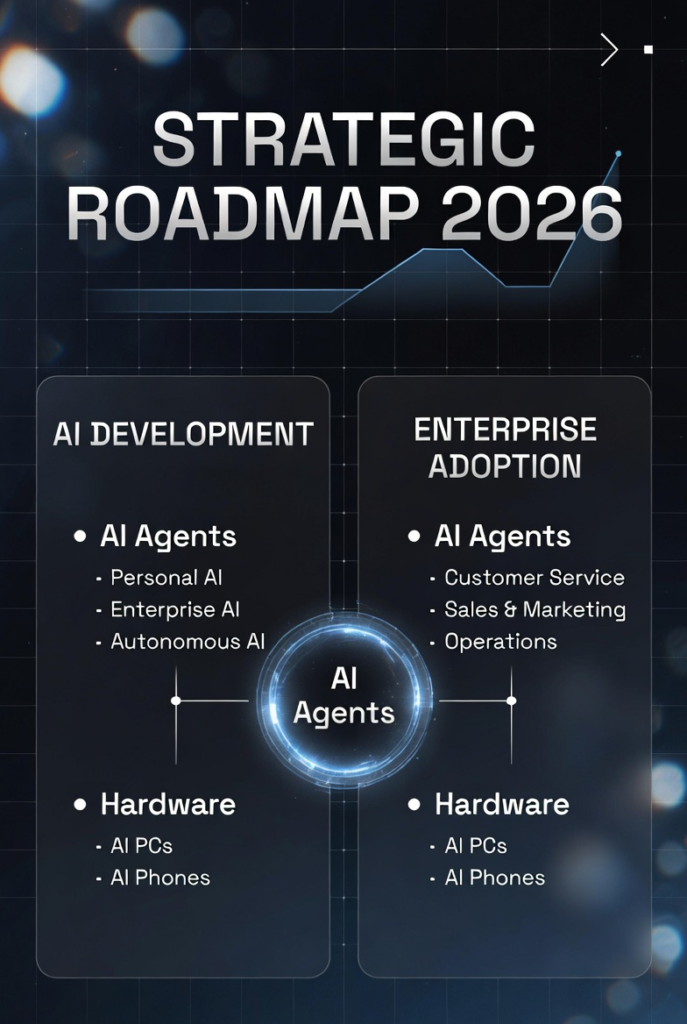
Adopt specialized inference paths (TPUs, optimized runtimes) for production scale while monitoring open ecosystems for cost advantages. Ignore pure hype models; prioritize those with strong agent tooling and hardware flexibility. Monitor hardware diversification—Google’s moves could ease NVIDIA pressure but introduce new optimization curves—and enterprise reorg patterns as signals of where real money flows.
Opportunities emerge in agent orchestration platforms, evaluation tooling, and hybrid cloud strategies that abstract hardware differences. Builders win by embedding AI deeply into existing workflows rather than bolting on chat interfaces. Expect tighter integration between models, silicon, and applications, rewarding vertical thinkers.
Businesses: Accelerate AI talent audits and pilot persistent agents in low-risk domains like internal automation. Developers: Experiment with mobile-first prototyping and multi-provider agents to stay agile.
Latest ai updates May 2026 and ai model updates May 2026 make one thing clear: the winners will be those who treat infrastructure and agent reliability as the new product.
Sources
- Google Cloud / public TPU and AI Studio announcements
- Meta restructuring reports and workforce transformation statements
- Public developer tooling and agent ecosystem updates
Disclaimer
“The images used in this article are sourced from publicly available channels on the internet. They are used solely for the purposes of news commentary, visual illustration, and explanatory reference, and do not constitute commercial use. The author of this article does not own the copyright to these images and makes no claim to any rights over them. If any copyright issues arise regarding these images, please contact the article’s author, and we will promptly address the matter or remove the relevant content.”