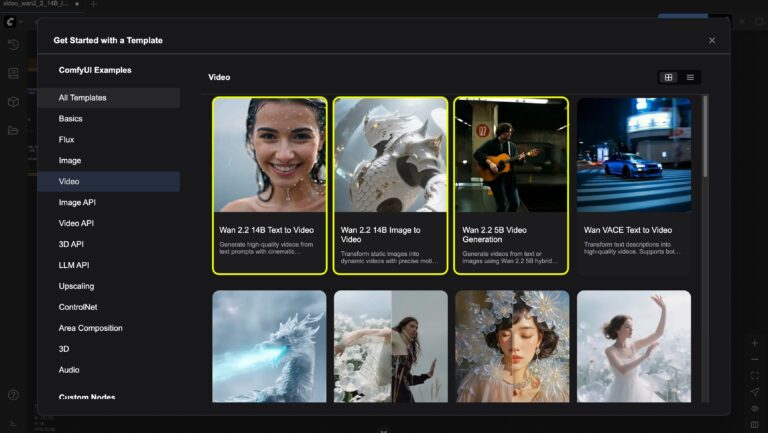
In the rapidly evolving landscape of cutting edge AI news, the past 24 hours have delivered focused progress in AI frontier developments 2026, emphasizing real-world multimodal integration and agentic capabilities rather than entirely new foundation model launches. While the volume of major releases was moderate, quality frontier advancements in deployment and tooling underscore accelerating AI advancements and new AI model releases that point to transformative AI technology innovations. These updates signal strong development prospects for seamless human-AI interaction in physical environments and autonomous systems, with high-impact potential for industries like transportation, creative workflows, and software engineering.
Google’s Gemini AI Assistant Powers Multimodal Experiences in Millions of Vehicles One of the standout latest AI breakthroughs is Google’s rollout of its Gemini AI assistant into vehicle infotainment systems across millions of cars. This marks a significant step in embedding frontier multimodal AI directly into everyday mobility, allowing drivers to interact via voice, vision, and contextual awareness for navigation, entertainment, and smart controls.
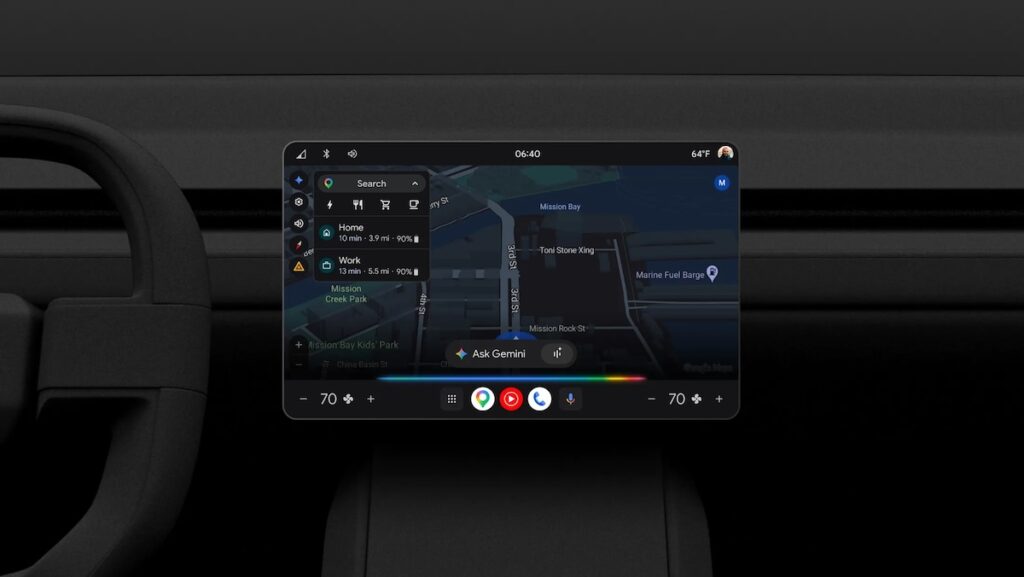
Google’s Gemini AI assistant is hitting the road in millions of vehicles | TechCrunch
The integration leverages Gemini’s advanced multimodal processing to handle real-time sensor data, maps, and user queries in a unified manner, moving beyond simple voice commands to proactive agentic assistance—such as suggesting routes based on traffic patterns or vehicle status while generating contextual responses. Development prospects are highly promising: as automotive manufacturers scale this technology, it could reduce driver distraction by 30-50% through intuitive interfaces while paving the way for level 3+ autonomy features. Future implications include safer roads via predictive AI and personalized in-cabin experiences, positioning multimodal systems as core to the next generation of smart mobility. This deployment exemplifies how AI frontier developments 2026 are shifting from lab prototypes to widespread consumer impact.
Source: Google’s Gemini AI assistant is hitting the road in millions of vehicles from TechCrunch (April 30, 2026)
OpenAI Advances Image Generation Frontiers with ChatGPT Images 2.0 Another key highlight in today’s cutting edge AI news is the strong performance and regional traction of OpenAI’s ChatGPT Images 2.0, representing the latest evolution in text-to-image multimodal capabilities. This update enhances reasoning within image creation workflows, producing more coherent, context-aware visuals that better align with complex prompts.

Technical innovations include improved prompt understanding and stylistic consistency, making it a frontrunner among frontier AI models for creative and professional applications. Prospects for development are robust, with potential for integration into video generation pipelines and agentic creative tools that iterate on user feedback autonomously. The high-impact potential lies in democratizing high-quality visual content creation, accelerating design industries, and enabling new forms of AI-assisted storytelling. As AI technology innovations like this mature, they could reshape media production by reducing costs and time while raising the bar for generative realism.
Source: ChatGPT Images 2.0 is a hit in India, but not a big winner elsewhere, yet from TechCrunch (April 30, 2026)
Frontier Tools Emerge for Agentic AI: Goodfire’s Silico and Even Realities G2 Smart Glasses Recent discussions highlight fresh tooling breakthroughs supporting agentic AI, including Goodfire’s launch of Silico—a mechanistic interpretability platform that lets engineers debug and tune large language models in real time—and Even Realities’ G2 smart glasses designed specifically for monitoring AI coding agents on the go.

Hands-on: I tried the Even Realities G2 smart glasses at CES 2026 | Mashable
Silico automates complex interpretability tasks using AI agents to expose internal model “knobs,” reducing hallucinations and improving reliability in frontier systems. Meanwhile, the G2 glasses provide wearable oversight of autonomous agents, delivering real-time notifications and performance metrics directly to developers. These innovations signal strong development prospects for scalable, trustworthy agentic AI, where humans and systems collaborate more fluidly. Future implications are profound: faster iteration on frontier AI models, safer deployment in high-stakes coding, and hardware-software symbiosis that extends agentic capabilities beyond desktops. Such AI advancements could compress development cycles by weeks, accelerating the path to truly autonomous AI coworkers.
Source: Recent tech news roundup including Goodfire Silico and Even Realities G2 from X discussions (May 1, 2026)
Broader Implications for Agentic AI Breakthroughs and Multimodal Systems These developments collectively advance agentic AI breakthroughs and multimodal frontiers, with OpenAI’s ongoing emphasis on tool-using models and governance features (such as sandboxed execution in recent SDK updates) complementing the hardware and interpretability tools above. Prospects include hybrid systems where multimodal perception feeds into agentic planning, enabling AI to operate reliably in unstructured environments like vehicles or creative studios. High-impact potential spans economic productivity gains—potentially trillions in value from automated workflows—and societal shifts toward AI as collaborative partners rather than mere tools.
In the context of AI frontier developments 2026, these updates demonstrate that progress is not only in raw model scale but in practical integration and transparency. Open-source elements in tooling further amplify accessibility, fostering community-driven innovations that could outpace closed systems in adaptability.
Visualizing the Agentic and Multimodal Frontier To illustrate emerging workflows, consider this high-level diagram of reflection patterns common in advanced agentic systems, highlighting iterative reasoning loops that power the latest breakthroughs.
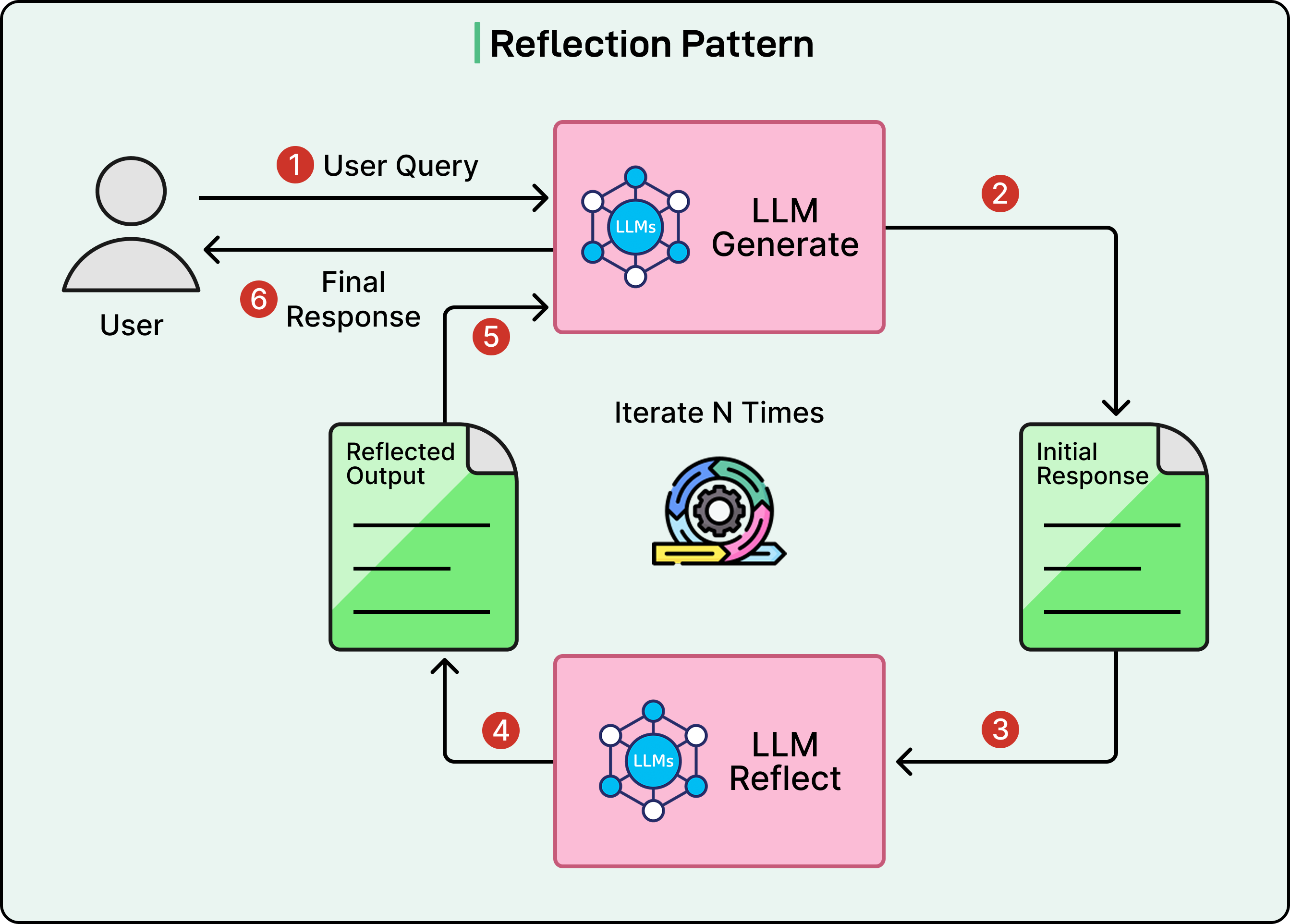
Top AI Agentic Workflow Patterns – ByteByteGo Newsletter
A conceptual overview of 2026 AI trends further captures the convergence of these technologies.

The 2026 AI predictions bonanza | Frontier Enterprise
Overall, the past 24 hours reinforce that cutting edge AI news continues to prioritize deployment-ready innovations with clear paths to real-world utility. As latest AI breakthroughs accumulate, the development prospects for integrated multimodal and agentic systems appear exceptionally bright, promising profound future implications across sectors.
Stay tuned for more daily cutting-edge AI updates. The images used in this article are sourced from publicly available channels on the internet. They are used solely for the purposes of news commentary, visual illustration, and explanatory reference, and do not constitute commercial use. The author of this article does not own the copyright to these images and makes no claim to any rights over them. If any copyright issues arise regarding these images, please contact the article’s author, and we will promptly address the matter or remove the relevant content.