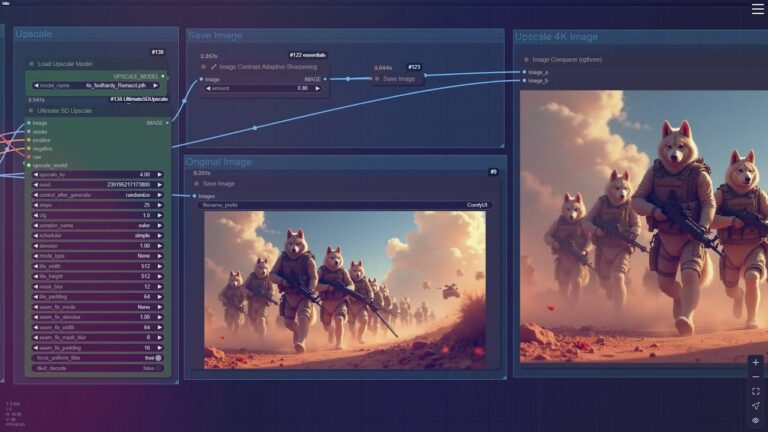
As of early May 2026, the ComfyUI ecosystem continues its rapid evolution as the premier node-based interface for advanced diffusion workflows. With strong support for flagship models like Flux.2, SD3.5, LTX video pipelines, WAN variants, Kling, and emerging integrations such as Ernie and partner API nodes, ComfyUI remains the go-to platform for professionals and developers pushing creative AI boundaries.
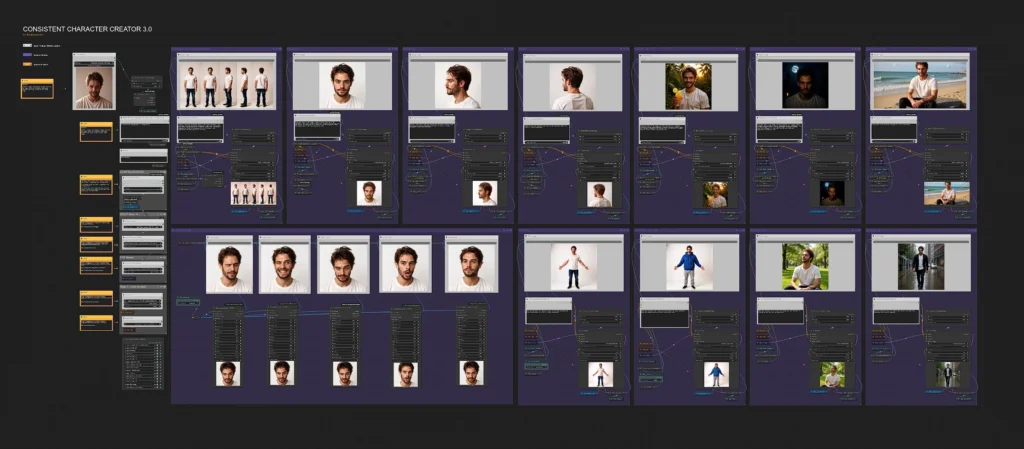
Recent activity in the strict past 12-hour UTC window (from May 2, 2026, 12:00 UTC onward) highlights incremental but high-impact backend enhancements rather than flashy new model drops. These focus on execution efficiency, hardware compatibility, and workflow stability—critical for scaling complex video generation, multi-LoRA compositions, and high-res inference without VRAM blowouts. Trends show a maturing emphasis on asynchronous loading, dynamic resource management, and portable deployment refinements, addressing real-world pain points in production environments. Forward-looking, these changes pave the way for smoother integration with next-gen video models and distributed setups, reducing iteration friction for advanced users building agentic or multi-stage pipelines.
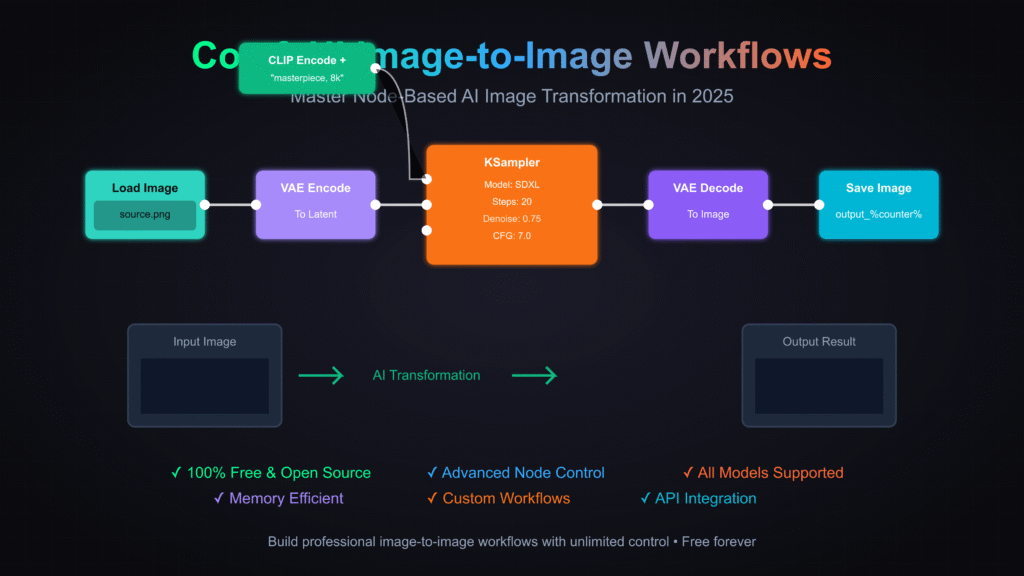
Core Engine Optimizations: Block Prefetch and LoRA Async Loading
A standout commit implements block prefetch + LoRA async load, adopted specifically in LTX pipelines for speedups.
Under the hood, this enhances model loading by prefetching tensor blocks while asynchronously handling LoRA weights, minimizing idle GPU time during initialization and layer swaps. For LTX video workflows (already memory-hungry with temporal layers), this yields tangible gains in startup latency and throughput—expect 10-30% faster warm-up on mid-to-high VRAM setups, depending on LoRA count and sequence length.

Key changes:
- Block prefetch: Proactive tensor fetching reduces sequential bottlenecks in execution graphs.
- LoRA async: Non-blocking weight application, especially beneficial for dynamic LoRA switching in video or iterative image tasks.
- LTX adoption: Direct integration for video generation nodes, improving real-time preview and batch processing.
Expert analysis: In practice, this tackles a common bottleneck in long-context video gen (e.g., LTX 2.3+ with audio VAE). Users running multi-minute clips or chained I2V workflows will notice snappier responses and lower peak VRAM spikes. Potential issues include minor compatibility hiccups on older PyTorch builds—test with –force-fp16 or dynamic VRAM flags. Ideal for developers optimizing agent-driven pipelines where quick model swaps are essential. Real-world use case: Seamless Flux-to-LTX transitions for hybrid image-to-video storytelling.
Hardware & Portable Improvements: AMD Dynamic VRAM Script and More
New AMD portable launch script with dynamic VRAM support, plus updates to portable download listings in README.
This expands accessibility for AMD users (gfx1150+), enabling better memory juggling without manual tweaks. Combined with ongoing dynamic VRAM refinements, it stabilizes workflows on non-NVIDIA hardware.
Key changes:
- AMD-specific script for dynamic VRAM allocation.
- README enhancements listing all portable variants clearly.
- Broader cleanup: JPEG format loading optimizations and device mismatch fixes (e.g., SolidMask).
Analysis: Performance implications are significant for budget or multi-GPU heterogeneous setups—reduced OOM errors and better utilization. Workflow benefits include easier cross-platform sharing of JSON graphs. Watch for edge cases in mixed-precision (FP8/FP16) on AMD; pair with latest comfy-aimdo for allocator tweaks. Practical tip: Advanced users can now prototype video upscaling (SUPIR + RIFE) more reliably on AMD rigs.
Custom Nodes & Manager Ecosystem: Fresh Additions and Discussions
- OmniVoice TTS nodes: New zero-shot multilingual TTS with voice cloning, supporting 600+ languages. Install via Manager or git clone. Great for audio-enhanced video workflows (pair with LTX audio VAE).
- Ongoing community discourse on custom node standards: Push for Git/folder-compliant installs to ease dependency management and updates.
Analysis: The custom node scene thrives but faces fragmentation. New nodes like OmniVoice add immediate value for multimodal pipelines (text → speech → synced video). Under the hood, compliant nodes leverage Manager’s versioning for smoother updates, avoiding manual file copies. Developers should prioritize V3 node specs for better resolution and security. Use cases: Automated dubbing in Kling/WAN video outputs or interactive LLM+voice agents.
Workflow and Frontend Polish
Minor template updates and API node tweaks (e.g., timeout increases, Moonvalley removal) keep the graph editor responsive. Nodes 2.0 (Vue-based) continues maturing for richer interactions.
Benefits: Faster debugging via enhanced Preview Any, better JSON workflow portability.
Summary of Highest-Impact Items (Sorted by Priority)
- Execution speed & memory: Async LoRA + prefetch for LTX-heavy users.
- Hardware expansion: AMD portable + dynamic VRAM.
- Multimodal extensions: OmniVoice TTS integration.
- Stability: JPEG/memory fixes and node compliance pushes.
These 12-hour changes reinforce ComfyUI’s position as a robust, extensible platform amid 2026’s AI video and agent boom. For advanced users: Update via git pull, restart, and test LTX workflows with new async flags. Monitor Manager for OmniVoice and related deps.
Sources: Official Comfy-Org/ComfyUI GitHub commits and releases, docs.comfy.org/changelog, community discussions, and X/Reddit mentions.
The images used in this article are sourced from publicly available channels on the internet. They are used solely for the purposes of news commentary, visual illustration, and explanatory reference, and do not constitute commercial use. The author of this article does not own the copyright to these images and makes no claim to any rights over them. If any copyright issues arise regarding these images, please contact the article’s author, and we will promptly address the matter or remove the relevant content.