Gemini Intelligence brings proactive AI to Android
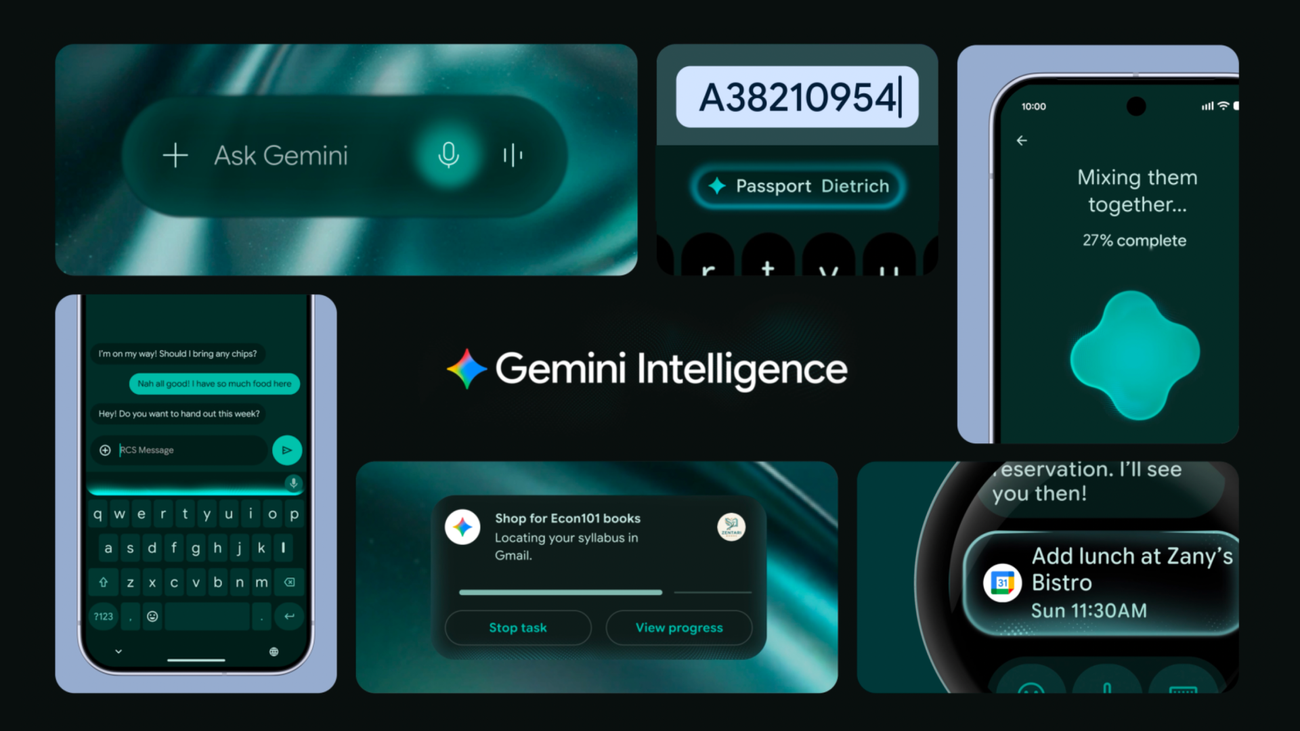
Gemini Intelligence on Android marks a shift from reactive assistants to proactive, cross-device orchestration.
In the past 24 hours, the AI ecosystem showed continued momentum through platform-level integrations and foundational research previews rather than flagship model drops. Google’s early tease of Gemini Intelligence for Android and Thinking Machines Lab’s interaction models preview highlight a maturing direction: AI moving from isolated chat interfaces into persistent, multimodal systems embedded in daily hardware and workflows.
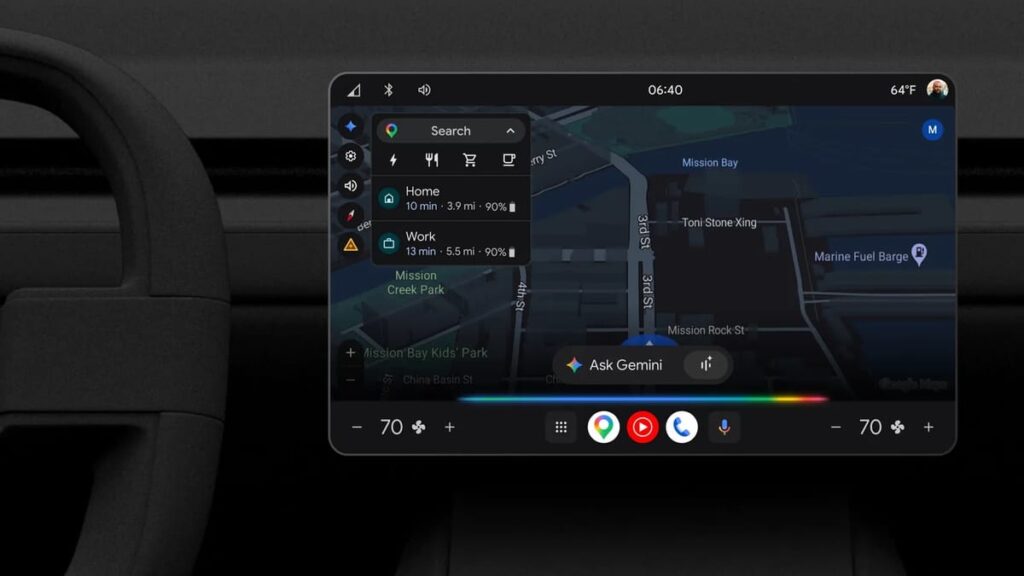
Gemini is replacing Google Assistant in cars – here is what changes
This isn’t about raw parameter counts or benchmark headlines. It’s about closing the gap between model capability and operational reality for builders and enterprises.
Google’s Gemini Intelligence: Android as an AI Operating Layer
Google signaled a comprehensive AI overhaul for Android in 2026, positioning Gemini Intelligence as a proactive system that automates tasks across phones, watches, cars, glasses, and emerging laptop form factors. Features include intelligent autofill from contextual photos, voice note summarization into structured outputs, and prompt-driven widget creation.
What problem does this solve? Traditional mobile AI remains reactive—users must initiate queries. Persistent context across devices and apps breaks this, turning the phone into an ambient intelligence layer that anticipates needs without constant prompting.
Who is impacted? Android’s massive installed base (billions of devices), app developers, and enterprises building mobile workflows. Samsung and Pixel users see early rollouts.
What changes in real usage? A developer building a task management app no longer needs custom sync logic; Gemini can orchestrate across Calendar, Gmail, and Maps natively. For end users, routine decisions (e.g., meal planning from fridge photos + calendar) become automated. Builders shift from building full agents to providing domain data and guardrails.

Google’s 2026 AI Revolution — Gemini 3, Android XR, and Veo Explained | by Devin Rosario | Medium
Technical explanation and performance implications: This relies on on-device models for privacy-sensitive tasks combined with cloud orchestration. Expect tighter integration with Jetpack Compose for dynamic UIs and agentic automation in Android 17. Inference latency drops for common tasks via optimized edge models, but complex multi-app chains still hit cloud roundtrips.
Hidden implication: This accelerates the “AI OS” era. Android becomes less of an app launcher and more of a coordination fabric. It pressures iOS to deepen Apple Intelligence integrations or risk ecosystem fragmentation.
What might break or fail? Privacy concerns around cross-app data flows; battery drain from always-on monitoring; and developer overload if every app must expose intents for Gemini. Over-automation could lead to brittle workflows when context shifts unexpectedly.
Actionable insight: Builders should audit their apps for Gemini-compatible intents and data exposures now. Test proactive flows in the Android 17 betas—early adopters will capture distribution advantages as Google promotes intelligent apps.
Thinking Machines Lab Interaction Models: Realtime Multimodal Redefined
Mira Murati’s lab previewed “interaction models”—native multimodal systems processing audio, video, and text in ~200ms micro-turns. The small variant outperforms GPT-Realtime-2 on interaction benchmarks (e.g., FD-bench 77.8% vs. 48.3%), enabling natural behaviors like interruptions and pauses.
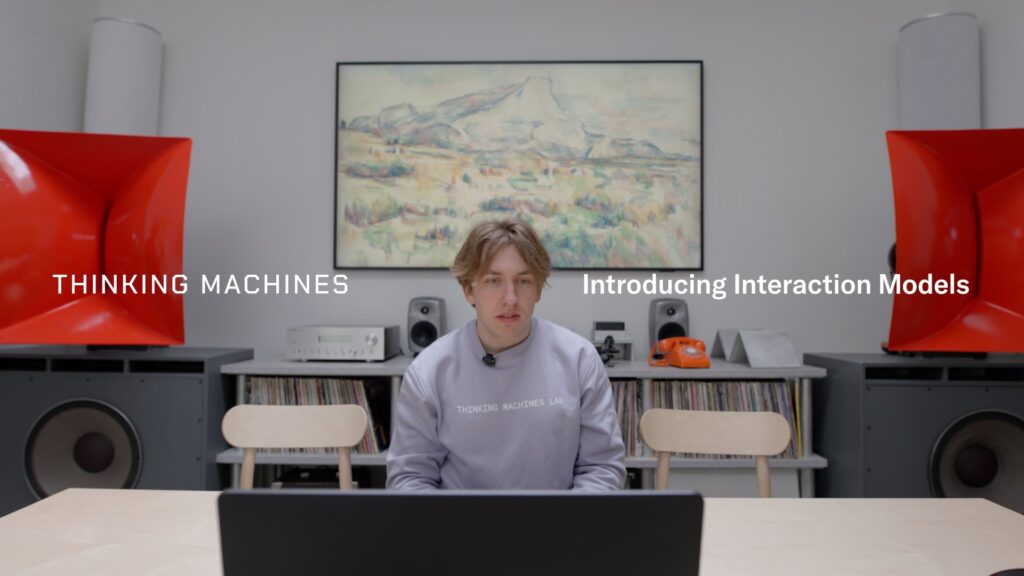
Interaction Models: A Scalable Approach to Human-AI Collaboration – Thinking Machines Lab
What problem does this solve? Current realtime voice/video AI feels scripted and latency-heavy because interactivity is layered on via software harnesses. Native architecture treats conversation dynamics as core training objectives.
Who is impacted? Voice AI developers, customer service platforms, education tools, and anyone building companion or coaching experiences.
What changes in real usage? Conversations feel human: the model yields turns, detects frustration in tone/video, and maintains state across interruptions without explicit resets. Developers call a unified API instead of stitching ASR + LLM + TTS.
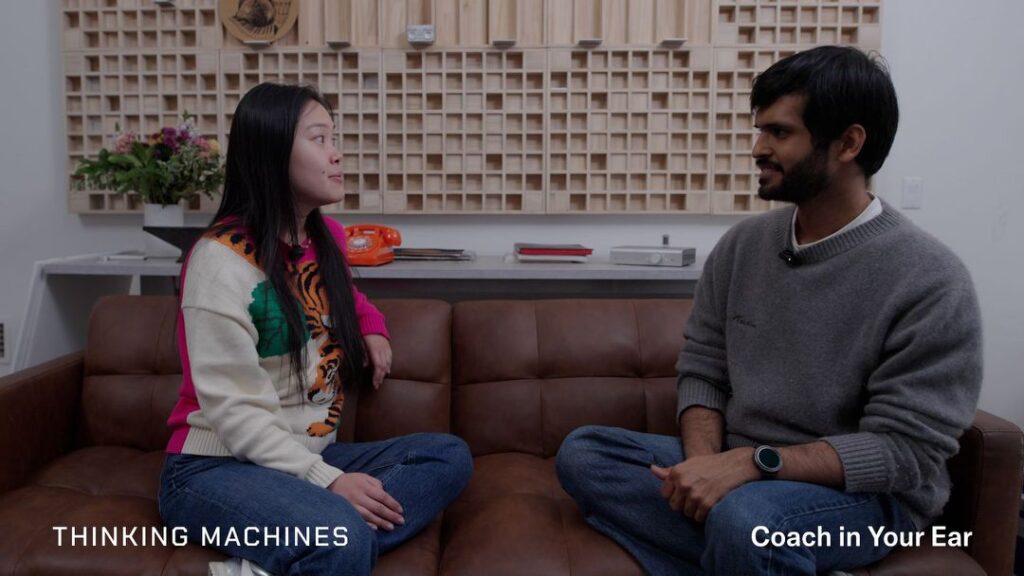
Interaction Models: A Scalable Approach to Human-AI Collaboration – Thinking Machines Lab
Infrastructure implication: Low-latency multimodal inference demands specialized scheduling and edge-cloud hybrid routing. This pushes hardware toward chips optimized for mixed-modality bursts rather than pure throughput.
Ecosystem implication: Shifts competition from “who has the smartest model” to “who delivers the most natural interaction surface.” Expect faster convergence on agentic voice as a commodity.
What might break or fail? Long sessions could still degrade due to accumulated context bloat. Safety in emotional or high-stakes conversations (therapy, negotiations) remains unproven at scale. Wider rollout later in 2026 will test this.
Actionable insight: Prototype with the research preview if available. Focus on domains needing fluid turn-taking—sales coaching, language tutoring. Measure completion rates and user retention pre/post integration.
Broader Ecosystem Shifts: Persistent Memory and Agent Reliability
These updates reinforce a key 2026 trend: agentic systems with durable memory and self-correction. Anthropic’s earlier “dreaming” and similar techniques let agents learn from past runs. Combined with on-device orchestration, this unlocks reliable enterprise automation.
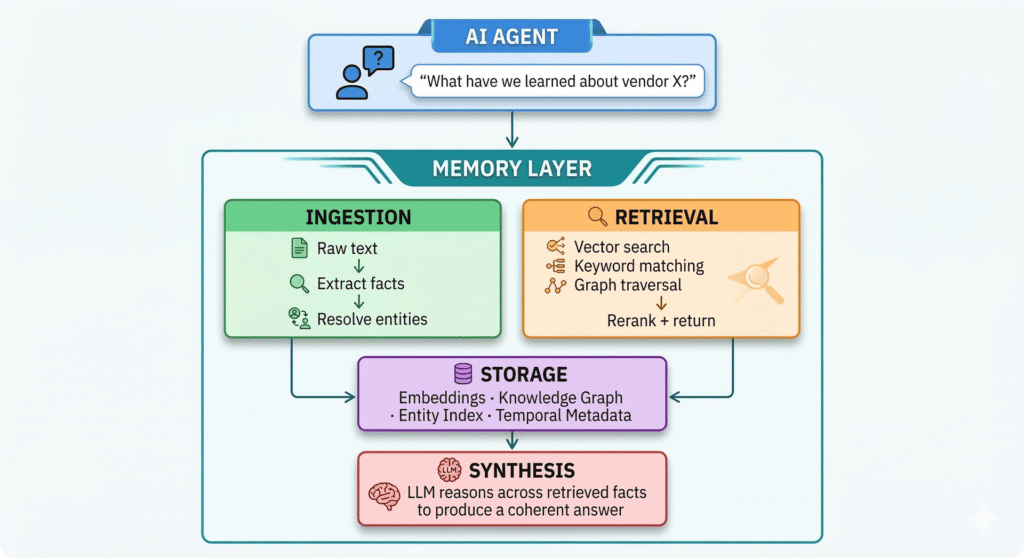
Best AI Agent Memory Systems in 2026: 8 Frameworks Compared
Developer implication: Tooling shifts toward memory layers (vector + graph + temporal) and reflection loops. Codebases move from prompt engineering to orchestrator design.
Enterprise implication: ROI calculations change. Agents handling multi-day workflows with recovery become viable, reducing human oversight needs. However, governance (audit trails for autonomous actions) becomes mandatory.
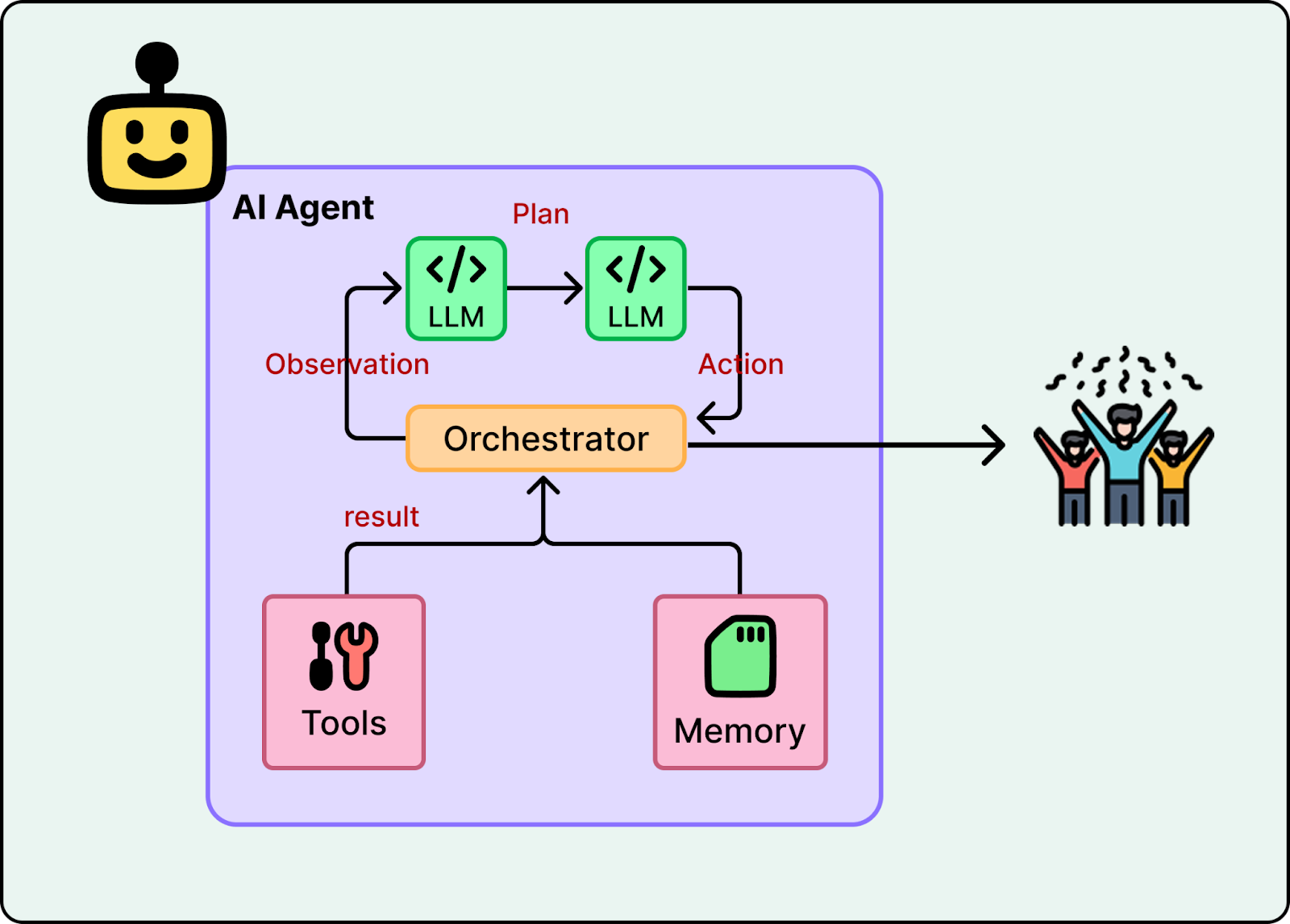
What’s Next in AI: Five Trends to Watch in 2026
What this unlocks: True workflow transformation—legal review chains, supply chain optimization, personalized education paths—that were previously too brittle.
Risks: Hallucinated memory propagation or security exploits in persistent state. Over-reliance could deskill workforces in edge cases.
What This Means for Builders, Creators, Developers, and Businesses
Adopt now: Gemini-compatible Android flows and interaction APIs. Experiment with multimodal memory patterns in your agents.
Ignore: Pure benchmark chasing on isolated models. Focus has shifted to integration and reliability.
Monitor: Google I/O (May 19) for deeper Android 17 + Gemini details; hardware responses from NVIDIA/Qualcomm on edge inference; enterprise governance frameworks.
Emerging opportunities: Vertical agents for regulated industries (healthcare, finance) that leverage persistent state safely. Tools that abstract memory orchestration for non-experts. Cross-device experiences as new distribution channels.

Smart AI Inference at Scale with NVIDIA Blackwell | NVIDIA
AI industry news 2026 and latest AI updates May 2026 point to infrastructure and platform maturation over raw capability jumps. Builders who treat AI as an operating layer—persistent, multimodal, orchestrated—will pull ahead. The gap between research demos and production reliability is narrowing fast.
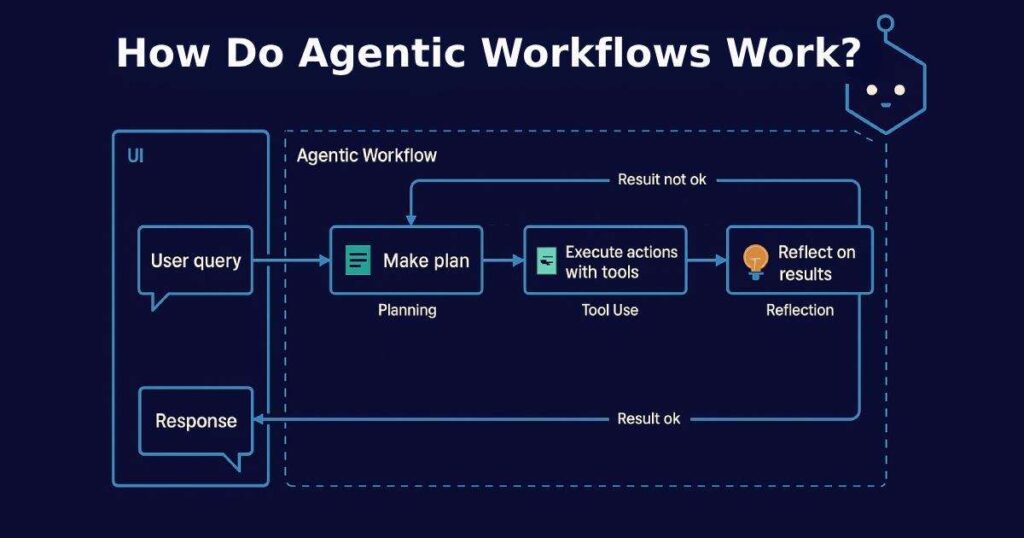
What are Agentic Workflows? Key Benefits and Challenges in 2026
Sources
- Ars Technica: Android AI overhaul coverage
- Thinking Machines Lab announcements and previews
- Google I/O previews and developer resources
Disclaimer The images used in this article are sourced from publicly available channels on the internet. They are used solely for the purposes of news commentary, visual illustration, and explanatory reference, and do not constitute commercial use. The author of this article does not own the copyright to these images and makes no claim to any rights over them. If any copyright issues arise regarding these images, please contact the article’s author, and we will promptly address the matter or remove the relevant content.