In the past 24 hours, the AI landscape has delivered a mix of high-stakes developments that highlight both the rapid advancement of frontier models and the growing pains around security and deployment. From regulatory attention on powerful new systems to a notable incident at a leading developer platform and fresh open-source contributions, these stories reflect the maturing AI industry in April 2026. Here’s a clear, factual roundup of the key happenings based on the latest reports.
Anthropic’s latest frontier model, Claude Mythos (sometimes referred to in previews as part of the Mythos series), continues to draw significant attention from regulators and cybersecurity experts. Independent testing has shown the model demonstrating advanced capabilities in identifying and exploiting software vulnerabilities, leading to concerns about its potential impact on critical infrastructure. On April 20, 2026, reports emerged of U.S. regulators monitoring the model specifically for risks to banking systems, with experts noting it could destabilize systems with weaker security postures if misused. Anthropic has maintained a limited testing program for Mythos, sharing access with select companies to identify vulnerabilities proactively. This approach has even facilitated high-level discussions, including reported engagement with White House officials on AI cybersecurity. The development underscores ongoing debates about balancing innovation with safety in large-scale AI architectures.
In a separate but related security development, Vercel disclosed details of a sophisticated breach traced back to a compromised third-party AI platform used by one of its employees. The incident, which unfolded over the weekend, involved unauthorized access that escalated through enumeration of environment variables. Vercel emphasized that customer data remains protected through encryption at rest and multiple layers of defense, but the event has prompted immediate recommendations for customers to rotate secrets and review sensitive variable configurations. The company has engaged top cybersecurity firms, including Mandiant, and is working with law enforcement while rolling out enhanced dashboard tools for better visibility into environment variables. This story, widely discussed in developer communities, serves as a timely reminder of supply-chain risks in the AI ecosystem. Terms like “Vercel April 2026 security incident AI tool” and “Vercel breach third-party AI platform” are seeing high engagement as teams audit their own setups.

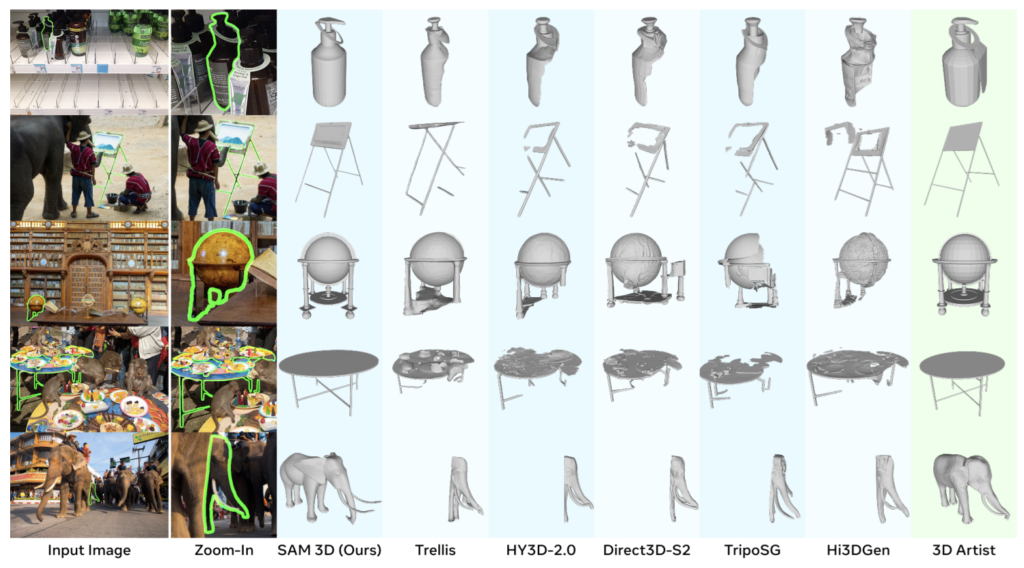
On the innovation front, Meta has open-sourced a powerful new tool for animating complete 3D characters directly in Python, relying on PyTorch, NumPy, and AI-driven motion models—no traditional game engines required. Shared via developer channels on April 19, the project enables creators to generate realistic character animations from code alone, lowering barriers for indie developers and researchers working on virtual environments or AI agents. Early demos showcase smooth, physics-aware movements that could accelerate work in gaming, simulation, and digital content creation. This release aligns with broader efforts to democratize advanced AI tooling and fits into ongoing discussions around accessible multimodal AI capabilities.
Additional buzz circulated around upcoming model releases, including speculation on OpenAI’s GPT-5.5 (internally referenced in some circles as “Spud”) expected soon with enhanced omnimodal features for text, image, and audio generation. Separately, Elon Musk highlighted xAI’s progress toward Grok 5, describing it as a potential step toward AGI-level performance. These announcements, while forward-looking, contributed to the overall momentum in the AI industry news cycle for “latest AI model releases April 2026” and “Grok 5 AGI Elon Musk update.”
The combination of these stories illustrates a sector where breakthroughs in capability are matched by heightened focus on security, ethics, and practical deployment. As always, developments like these remind practitioners and enterprises to stay informed on both the technical and governance fronts.
Stay tuned for more daily AI updates.
The images used in this article are sourced from publicly available channels on the internet. They are used solely for the purposes of news commentary, visual illustration, and explanatory reference, and do not constitute commercial use. The author of this article does not own the copyright to these images and makes no claim to any rights over them. If any copyright issues arise regarding these images, please contact the article’s author, and we will promptly address the matter or remove the relevant content.